


Table of Contents
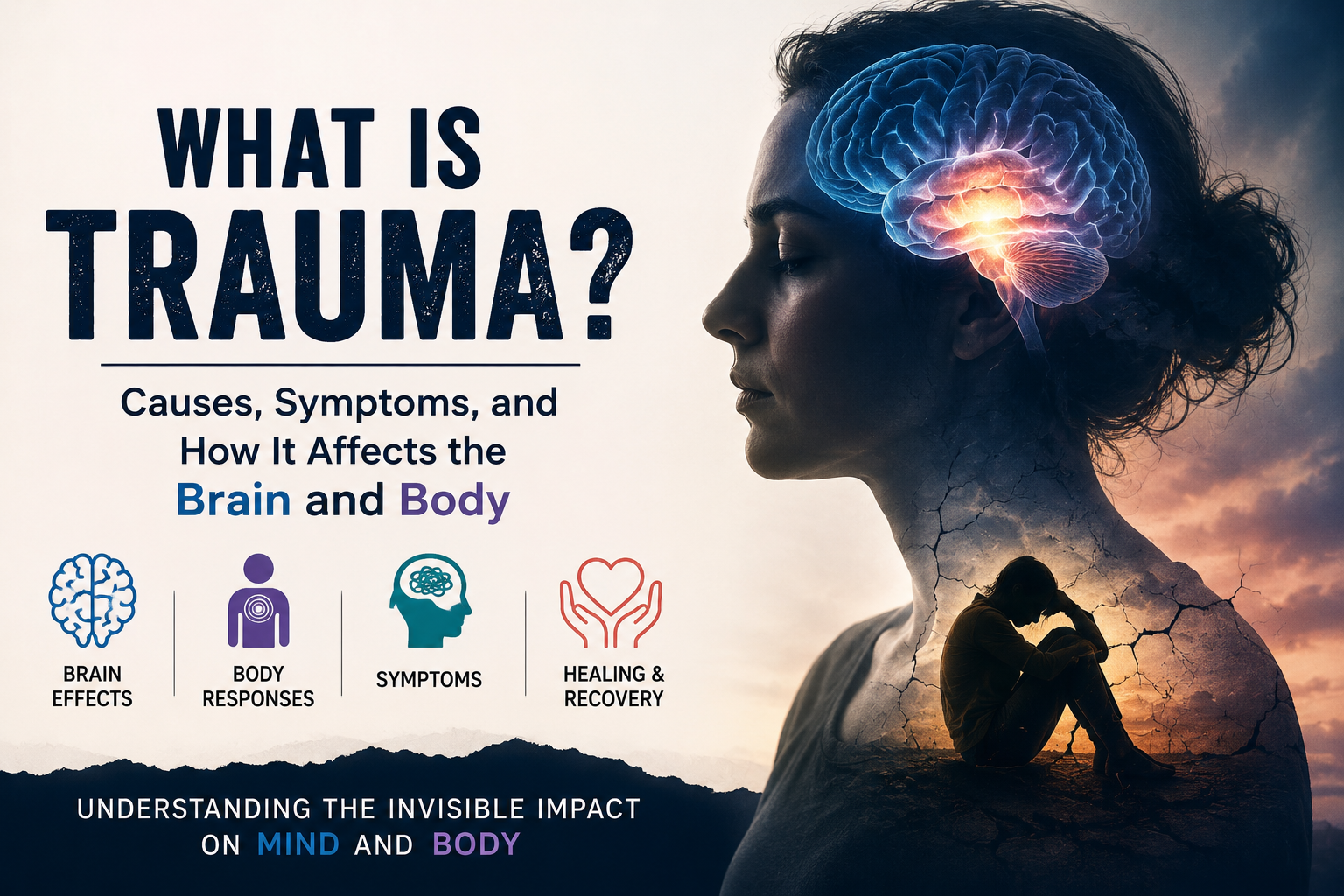
Trauma is far more common than many people realize. According to the American Psychological Association (APA), trauma is fundamentally an emotional and psychological response to a deeply distressing, shocking, or overwhelming experience that exceeds a person’s ability to cope.
When an event or series of events shatters your sense of safety, it can alter your emotions, thoughts, behaviors, and even your physical health. For many individuals, these invisible wounds can last long after the original event has passed.
What Are the Main Causes of Trauma?
Trauma is a deeply subjective experience. What feels traumatic to one person may not affect another in the same way, depending on emotional support, personal history, and resilience.
Psychologists commonly classify trauma into three main types:
- Acute Trauma: Results from a single, isolated distressing incident, such as a severe car accident, natural disaster, or sudden physical injury.
- Chronic Trauma: Occurs due to repeated, prolonged exposure to harmful situations, such as ongoing domestic violence, long-term bullying, or severe childhood neglect.
- Complex Trauma: Develops from exposure to varied, multiple traumatic events that are often interpersonal in nature, altering a person’s core worldview.
How Trauma Affects the Brain
Trauma can influence how the brain processes fear, memory, and emotional regulation. Research highlighted by Harvard Health Publishing indicates that when you experience severe distress, the amygdala (the brain’s emotional alarm system) can become chronically overactive.
At the same time, areas of the brain responsible for rational thinking and emotional regulation, like the prefrontal cortex, may become less efficient under stress. This explains why trauma survivors often react with intense fear or anxiety even when they are in a completely safe environment.
How Trauma Affects the Body
Trauma is not just a psychological issue; it lives directly within our physical framework. As outlined by the Mayo Clinic, an ongoing threat forces the nervous system to remain in a prolonged “fight-or-flight” state. Over time, this chronic flooding of stress hormones can lead to:
- Persistent muscle tension and headaches
- Chronic sleep problems and vivid nightmares
- Severe fatigue and low energy
- Digestive discomfort, nausea, or changes in appetite
- Elevated heart rate and palpitations
In his groundbreaking book, The Body Keeps the Score, trauma researcher Dr. Bessel van der Kolk details how the body stores these survival responses long after the actual danger has passed.
Common Symptoms of Trauma
Because everyone processes distress differently, trauma symptoms span a wide behavioral and emotional spectrum. Common signs include:
- Anxiety or persistent fear
- Emotional numbness or detachment
- Intrusive memories or flashbacks
- Difficulty concentrating
- Avoidance of reminders of the event
- Feeling constantly on edge
Acute Stress vs PTSD
It is important to distinguish between normal stress reactions and clinical conditions:
- Acute stress: a temporary, short-term reaction that occurs immediately following a crisis.
- PTSD: a clinical condition where symptoms persist long-term and significantly interfere with daily life, requiring professional evaluation from sources like the Cleveland Clinic.
Can Trauma Be Healed?
Yes, trauma is treatable.
The human brain and nervous system possess an incredible capacity for resilience and adaptation. Evidence-based therapies tracked across global clinical studies on PubMed are widely utilized by mental health professionals to help individuals process traumatic memories and calm their nervous systems. Highly effective approaches include:
- Cognitive Behavioral Therapy (CBT): Helps individuals identify and change negative thought patterns, guilt, and distorted beliefs that stem from trauma.
- Eye Movement Desensitization and Reprocessing (EMDR): Uses guided bilateral stimulation to help the brain safely process traumatic memories.
In addition to therapy, supportive relationships, stable routines, and safe environments are important foundations for recovery.
FAQ :
What is trauma in simple words?
Trauma is an emotional and physical response to an overwhelming or deeply distressing experience that compromises a person’s sense of safety and well-being.
What are the main symptoms of trauma?
Common symptoms include anxiety, flashbacks, emotional numbness, avoidance behaviors, and heightened alertness.
Can trauma cause physical illness?
Yes. Chronic stress from unresolved trauma can contribute to fatigue, digestive issues, muscle tension, and sleep problems.
What is the difference between trauma and PTSD?
Trauma is the initial emotional response to an event, while PTSD is a diagnosed condition where symptoms persist and disrupt daily life.
Sources
- American Psychological Association (APA): Help Center on Trauma
- National Institute of Mental Health (NIMH): Post-Traumatic Stress Disorder (PTSD) Topic Page
- Harvard Health Publishing: Understanding the Stress Response Article
- Mayo Clinic: Chronic Stress Puts Your Health at Risk Article
- Cleveland Clinic: PTSD Disease Overview Guide
- PubMed Central / NIH: PubMed National Research Database Home