


Table of Contents
Most people think good sleep starts in the brain. But research shows that restorative sleep actually begins in your gut. The trillions of microbes living in your digestive system, known as the gut microbiome, play a crucial role in regulating gut, sleep, and wellbeing. A balanced gut helps support mood, neurotransmitter production, and healthy sleep cycles, while an imbalanced gut can lead to restless nights and fatigue.
The Gut–Brain Axis and Its Role in Gut, Sleep, and Wellbeing
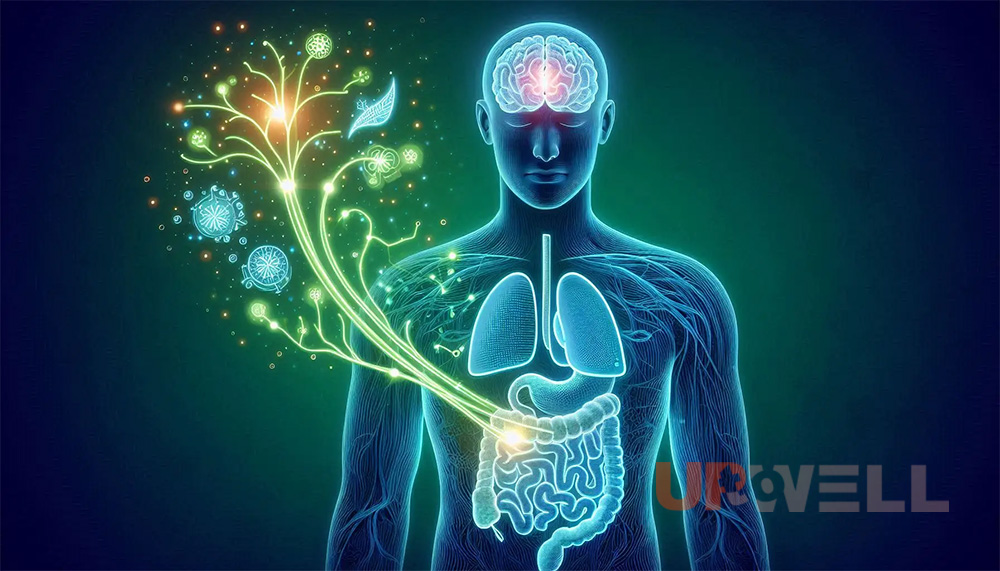
Your gut and brain communicate constantly through the microbiota–gut–brain axis, using nerves, hormones, and immune signals. When this system functions well, it helps maintain healthy sleep patterns and overall wellbeing.
Studies show that disruptions in gut microbiota (called dysbiosis) are often linked to insomnia, fragmented sleep, and other sleep disturbances (PubMed, 2022)
Gut Microbes and Sleep-Related Chemicals
Gut microbes influence several key chemicals that regulate gut, sleep, and wellbeing:
- Serotonin: Most of the body’s serotonin is produced in the gut, helping regulate mood and the sleep-wake cycle (PubMed, 2022).
- Melatonin: Gut bacteria help convert serotonin into melatonin, the hormone that signals sleepiness at night (Microbiome, 2023).
- GABA: Certain microbes produce this calming neurotransmitter, which signals the body it’s safe to relax (MDPI, 2024).
- Other metabolites: Microbial by-products can reduce inflammation and help regulate the circadian rhythm, supporting better sleep (Frontiers in Microbiology, 2024).
Dysbiosis, Inflammation, and Sleep Disruption
An imbalanced gut can damage the gut lining, letting inflammatory molecules enter the bloodstream. This low-grade inflammation interferes with brain signaling, raises stress hormones, and disrupts gut, sleep, and wellbeing (MDPI, 2024).
People with digestive issues, like irritable bowel syndrome or food sensitivities, often experience poorer sleep, further highlighting the connection.
Evidence from Animal Studies
Animal studies support the gut–sleep link. A 2023 study found that gut-derived metabolites help melatonin protect the brain after sleep deprivation, showing that the microbiome can directly influence gut, sleep, and wellbeing (Microbiome, 2023).
Diet and Lifestyle for Gut, Sleep, and Wellbeing
Your food choices and habits shape the gut microbiome, which in turn affects sleep and overall wellbeing:
- Eat prebiotic and probiotic foods: Yogurt, kefir, kimchi, and fiber-rich foods help beneficial microbes thrive.
- Maintain consistent meal times: Supports the gut’s internal clock and healthy sleep (Frontiers in Microbiology, 2024).
- Limit sugar and processed foods: Prevents feeding harmful bacteria that can disrupt sleep.
- Stay hydrated and manage stress: Water supports gut lining and microbial activity; stress reduction helps maintain balance (MDPI, 2023).
➤ Best Natural Probiotic Foods
Breaking the Stress–Gut–Sleep Cycle
Stress, gut health, and sleep are interconnected:
- Stress disrupts gut microbiota.
- Disrupted gut sends distress signals to the brain.
- Sleep quality declines.
- Poor sleep increases stress hormones, further harming the gut.
Focusing on gut health is key to improving sleep and overall wellbeing.
Good sleep doesn’t start when you get into bed. It starts in your gut. By supporting your microbiome through diet, hydration, stress management, and healthy habits, you can improve gut, sleep, and wellbeing naturally.
FAQ
Q1: How does the gut affect sleep?
A: The gut produces neurotransmitters like serotonin and GABA, and helps convert serotonin into melatonin. A balanced gut supports calmness, healthy sleep cycles, and overall wellbeing.
Q2: What is gut dysbiosis and how does it impact sleep?
A: Dysbiosis occurs when harmful bacteria outweigh beneficial microbes. This can lead to inflammation, disrupt the gut-brain communication, and interfere with sleep quality.
Q3: Can diet improve sleep through gut health?
A: Yes. Eating prebiotic and probiotic foods, reducing sugar and processed foods, and maintaining consistent meal times support a healthy gut, which in turn promotes better sleep.
Q4: Are there specific foods that help the gut improve sleep?
A: Fermented foods like yogurt, kefir, kimchi, and fiber-rich foods help nourish beneficial gut bacteria, supporting both digestive health and restful sleep.
Q5: Can stress affect the gut and sleep?
A: Absolutely. Stress can disrupt gut bacteria, increase inflammation, and raise cortisol levels, creating a cycle that impairs sleep. Managing stress is key for gut, sleep, and wellbeing.
Q6: How long does it take to see improvements in sleep after supporting gut health?
A: It varies, but many people notice better sleep patterns within a few weeks of improving diet, hydration, and lifestyle habits that support gut balance.
References :
- PubMed, 2022: The microbiota–gut–brain axis in sleep disorders
- Microbiome, 2023: Gut microbiota-derived metabolites mediate melatonin’s neuroprotective effect
- Frontiers in Microbiology, 2024: Gut microbiome and metabolic pathways linked to sleep quality
- MDPI, 2024: The Role of Gut Microbiota in Insomnia: Systematic Review
- PubMed, 2023: Gut microbiota: Candidates for ameliorating sleep disorders