


Table of Contents
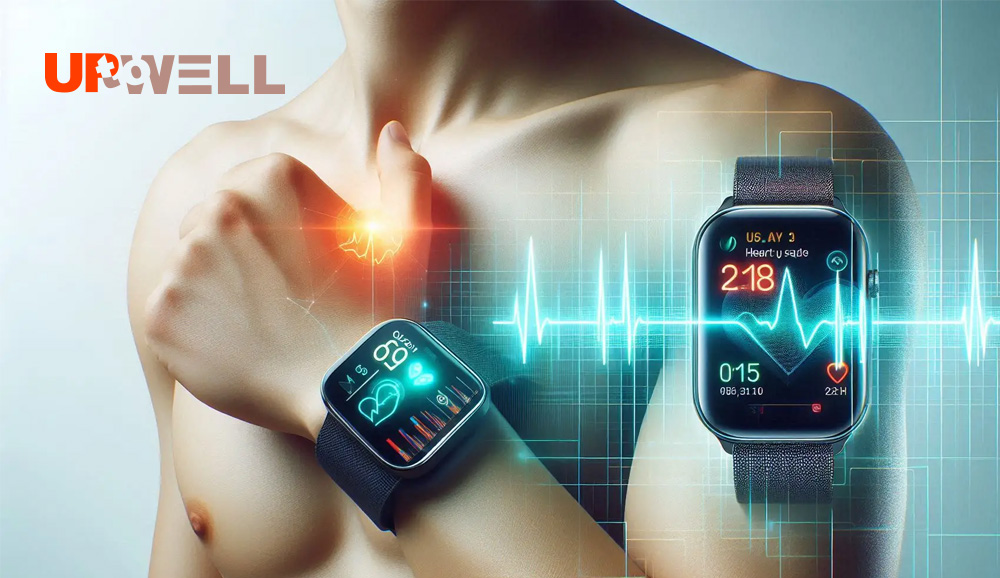
Wearable devices like smartwatches and fitness bands have evolved far beyond tracking steps or calories. Modern wearables can monitor heart rhythms in real time, providing valuable insights into cardiovascular health. With heart disease remaining a leading cause of death worldwide, wearable ECG devices are offering new opportunities for early detection and continuous heart monitoring.
What Is a Wearable ECG Device?
Wearable ECG monitors for heart health are compact, non-invasive technologies designed to record the heart’s electrical activity. According to research from MDPI Sensors, these devices include wristbands, chest patches, and even smart clothing that continuously monitor heart rhythms. Unlike traditional ECG machines, wearable devices allow for ongoing tracking, which helps detect irregular heartbeats that might otherwise go unnoticed.
How Wearable ECGs Work
Wearable ECG devices use a combination of sensors and smart software:
- ECG sensors record the heart’s electrical signals and are considered the most accurate for detecting arrhythmias.
- Photoplethysmography (PPG) sensors estimate pulse and blood oxygen levels using light-based technology.
- Accelerometers and gyroscopes track motion and activity to provide context for heart readings.
Many devices also integrate AI algorithms to analyze data and alert users or clinicians to potential heart issues. As noted by EMJ Reviews, these advancements allow wearables to provide real-time heart monitoring outside of a clinic setting.
Clinical Accuracy and Findings
Studies show that smartwatch ECG features for atrial fibrillation detection are reliable for identifying arrhythmias. According to MDPI Sensors, ECG-equipped wearables can achieve detection accuracy comparable to medical-grade devices. EMJ Reviews also reports that using wearable ECG patches in older adults led to a significant increase in AFib diagnoses, helping initiate timely treatment and reduce complications.
Benefits of Wearable ECG Devices
Wearable devices for early heart disease detection offer several advantages:
- Early Detection: They can identify irregular heart rhythms before symptoms appear.
- Remote Monitoring: Useful for cardiac rehabilitation or ongoing management of chronic heart conditions.
- Lifestyle Insights: Track heart rate variability, activity levels, stress, and sleep to guide healthier choices.
- Patient Empowerment: Continuous tracking provides doctors and patients a more complete picture of heart health, supporting informed decisions.
Innovations and Future Trends
The technology behind AI-powered wearable ECG technology continues to evolve. According to the Financial Times, AI algorithms now analyze wearable ECG data to detect potential heart conditions early. Smart clothing with textile-based ECG sensors offers comfort and continuous monitoring, while 24/7 tracking allows for proactive care. Emerging research also suggests wearable ECG devices may detect structural heart problems in addition to rhythm abnormalities.
Limitations and Considerations
While continuous heart monitoring with wearable ECG has many benefits, some limitations exist:
- Accuracy can vary between devices.
- Wearables cannot predict heart attacks or fully replace medical evaluations.
- As EMJ Reviews notes, constant monitoring may cause anxiety in some users, and many devices require purchase or subscription services.
- Some features may be FDA-cleared, such as AFib detection, but this is not equivalent to full medical approval.
Who Can Benefit Most
ECG patch vs smartwatch ECG comparison shows that wearable devices are especially useful for individuals at higher risk of heart disease, including those with hypertension, diabetes, obesity, or a family history of cardiac issues. According to EMJ Reviews, they are particularly beneficial for people with known or suspected atrial fibrillation, as continuous monitoring can track arrhythmia burden over time. Health-conscious individuals seeking proactive heart health tracking can also benefit.
Wearable ECG devices are transforming heart health monitoring by enabling early detection, continuous tracking, and personalized insights. Although they do not replace professional medical care, these devices empower users and healthcare providers to make better-informed decisions about cardiovascular health. With ongoing advances in AI, smart fabrics, and cloud-based platforms, wearable ECG devices are poised to play an increasingly important role in preventive heart care.
Sources:
- MDPI Sensors – Wearable Technology for Monitoring Electrocardiograms in Adults
- EMJ Reviews – Wearable ECG Patch Study Raises AFib Diagnosis Rates
- Financial Times – Apple Watch Data + AI Reveals Heart Damage
- Cleveland Clinic – Heart Health Monitoring with Wearables