


Table of Contents
In recent years, AI mental health apps like Wysa and Woebot have transformed how people seek emotional support. Offering 24/7 chat-based therapy tools, mood tracking, and evidence-based exercises, these digital companions promise accessible mental wellness anytime, anywhere. But can AI truly help you heal? In this article, we shed light on this trending topic by exploring the science, safety, and potential of AI mental health app and what they could mean for the future of therapy and emotional healing.
How AI Mental Health Apps Work
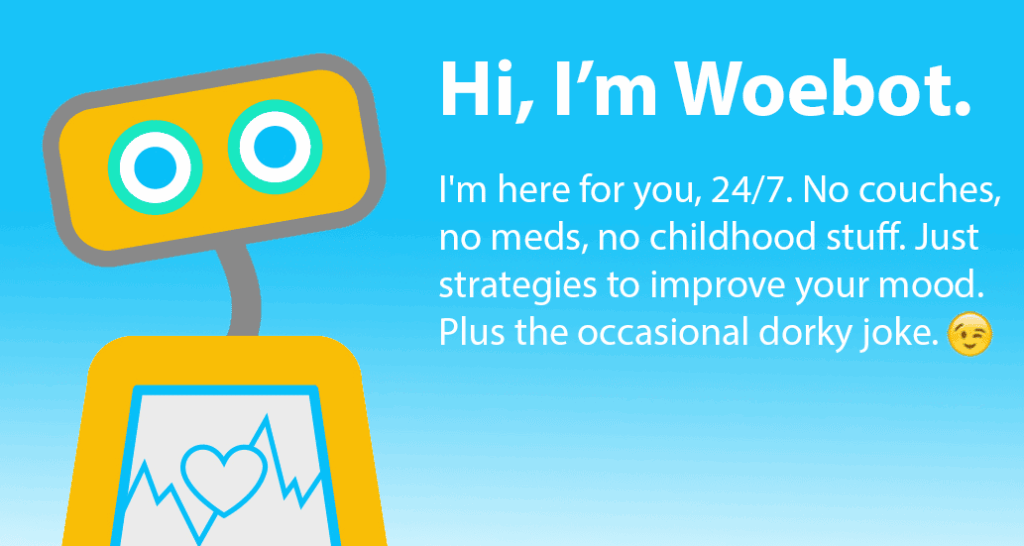
AI mental health apps use advanced technologies such as natural language processing (NLP) and machine learning to simulate conversations with users. These apps are programmed with techniques from established psychological therapies like Cognitive Behavioral Therapy (CBT), Dialectical Behavior Therapy (DBT), and mindfulness. They guide users through exercises, track moods and behaviors, and personalize support based on ongoing interactions.
For example, Woebot employs CBT principles in conversational format to help users reframe negative thoughts, while Wysa combines AI chat with optional human coaching, offering a hybrid approach. These apps can analyze text inputs to detect emotional patterns and provide coping strategies tailored to individual needs .
What the Science Says: Effectiveness and Benefits
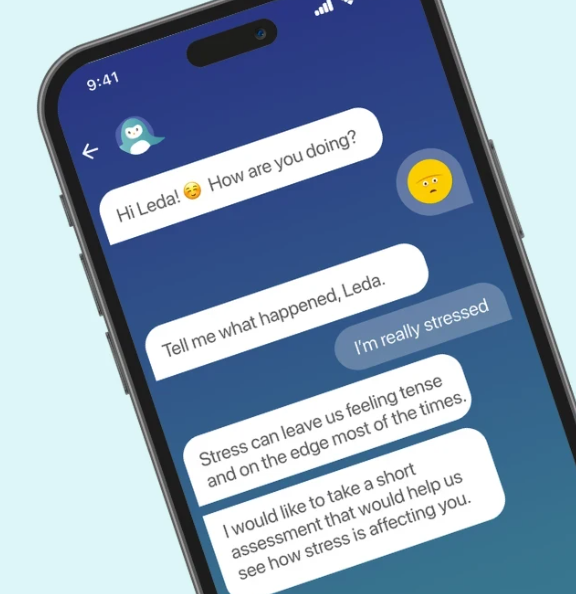
Research on AI mental health apps is promising. A 2017 clinical trial published in JMIR Mental Health found that Woebot users experienced significant reductions in depression and anxiety symptoms after just two weeks). Similarly, studies on Wysa show improvements in anxiety levels and emotional regulation among users, especially when the app is used alongside human support .
These apps provide scalable, low-cost, and stigma-free tools perfect for anyone who might find it hard to reach traditional therapy. They are especially useful for mild to moderate mental health issues, daily stress management, or as a supplement during waiting periods for therapy .
Safety, Limitations, and Ethical Concerns
While AI mental health apps are generally safe for self-help and early intervention, experts warn they are not alternative for professional therapists, especially for severe conditions like suicidal ideation, bipolar disorder, or PTSD .
Privacy is another important concern. These apps collect sensitive emotional data, so users should carefully review privacy policies and understand how their data is stored and used. Furthermore, research and media reports (including a 2025 study cited by the New York Post) have raised alarms about AI chatbots misinterpreting crises or providing too simplistic advice, which can be risky.
Another limitation is that AI lacks human empathy, cultural awareness, and the nuanced understanding that trained therapists provide. Emotional attachment to chatbots can sometimes complicate healing if users rely solely on AI support.
The Future: Complementing Therapy, Not Replacing It
Most mental health experts, including those at the American Psychological Association and thought leaders at Harvard Business Review, agree that AI apps are best seen as complementary tools. They can increase access to mental health care, reduce stigma, and provide immediate support, especially when integrated with teletherapy and biometric monitoring .
The future likely holds hybrid care models, where AI supports therapists by monitoring mood patterns and providing data-driven insights, helping tailor more personalized and effective treatment plans .
AI mental health apps like Wysa and Woebot represent a powerful new frontier in emotional healing. They offer accessible, convenient, and professional tools that can help manage stress, anxiety, and depression especially for those facing difficulties with traditional therapy. However, they come with limitations and safety concerns and should never replace professional therapy for serious mental health conditions. When used properly , these digital companions can be valuable support on your journey to mental wellness.
References
Fitzpatrick, K.K., Darcy, A., & Vierhile, M. (2017).
Delivering Cognitive Behavior Therapy to Young Adults With Symptoms of Depression and Anxiety Using a Fully Automated Conversational Agent (Woebot): A Randomized Controlled Trial. JMIR Mental Health, 4(2), e19.
🔗 https://mental.jmir.org/2017/2/e19/
Stanford Medicine – AI for Mental Health
🔗 https://med.stanford.edu/psychiatry/special-initiatives/ai4mh.html
Wysa Clinical Evidence
🔗 https://www.wysa.com
National Institute of Mental Health (NIMH).
Technology and the Future of Mental Health Treatment.
🔗 https://www.nimh.nih.gov/health/topics/technology-and-the-future-of-mental-health-treatment
American Psychological Association (APA) – Artificial Intelligence and Mental Health Care
🔗 https://www.apa.org/practice/artificial-intelligence-mental-health-care
Harvard Business Review (HBR) – GenAI Could Transform How Health Care Works
🔗 https://hbr.org/2023/11/genai-could-transform-how-health-care-works
The Guardian (2024) : Can AI Chatbot Therapists Do Better Than the Real Thing?
🔗 https://www.theguardian.com/lifeandstyle/2024/mar/02/can-ai-chatbot-therapists-do-better-than-the-real-thing
New York Post (2025) : Sycophant AI Bots Endanger Users Seeking Therapy, Study Finds.
🔗 https://nypost.com/2025/06/28/us-news/sycophant-ai-bots-endanger-users-seeking-therapy-study-finds/