


Table of Contents
What Is Ozempic?
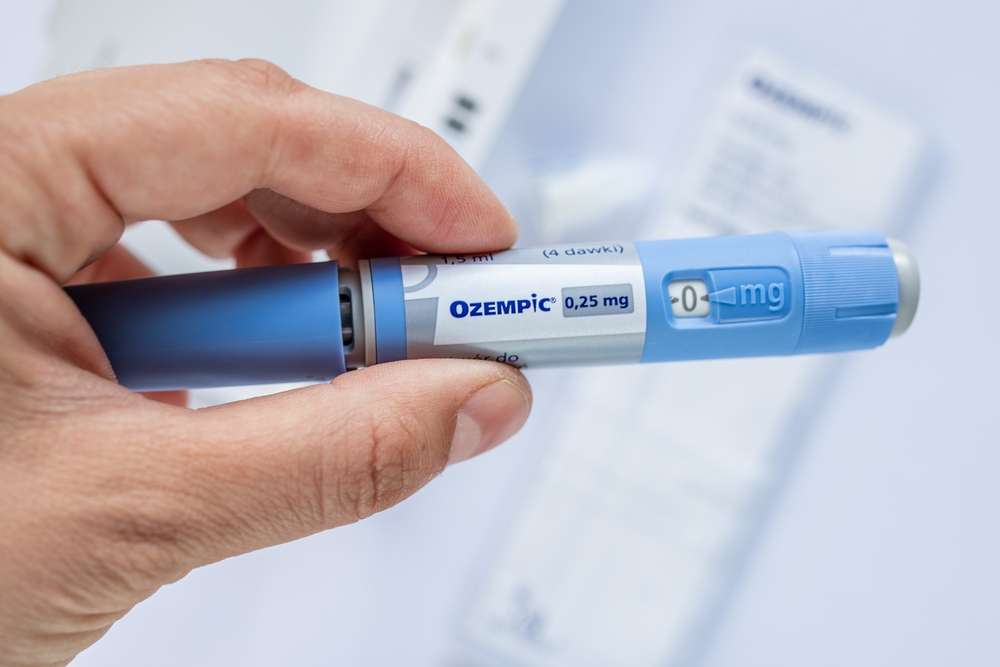
Ozempic is a prescription medication used to help adults with type 2 diabetes manage their blood sugar levels. Its active ingredient, semaglutide, belongs to a class of medications known as GLP-1 receptor agonists, also called incretin mimetics. These drugs help the body respond better to food and regulate insulin production.
What Is Ozempic Used For?
Ozempic is approved to:
- Help control blood sugar in adults with type 2 diabetes.
- Lower the risk of heart attack, stroke, and heart-related death in people with both diabetes and cardiovascular disease.
- Reduce the progression of kidney disease in people with diabetes and chronic kidney disease.
Although not FDA-approved for it, it is often prescribed off-label for weight loss.
How Does Ozempic Work?
Ozempic mimics a natural hormone called GLP-1:
- It helps your body release more insulin after meals.
- It lowers sugar production in the liver.
- It slows digestion, making you feel full longer and reducing appetite.
Together, these actions help lower blood sugar levels and may support weight loss and cardiovascular health.
How Do You Take Ozempic?
Ozempic is a once-weekly injection given under the skin (not insulin). Your doctor will guide you on how to inject and may start with a low dose before adjusting it based on your response. Always follow your healthcare provider’s instructions and never change your dose on your own.
Who Can Take this drug ?
Ozempic is suitable for adults 18+ with type 2 diabetes who:
- Have not responded well to three other diabetes medications, or
- Cannot take other medications due to side effects or health issues.
It’s typically prescribed if your BMI is 35+, especially if obesity-related conditions are present. For some ethnic groups (e.g., Black, Asian, Middle Eastern), a lower BMI threshold may apply due to higher risk factors.
Who Should Not Take it ?
Ozempic may not be suitable for people who:
- Are pregnant or breastfeeding.
- Have had diabetic ketoacidosis (DKA).
- Have severe liver or kidney disease.
- Are preparing for surgery (temporary stop may be needed).
- Have a history of pancreatitis.
Always discuss your medical history with your doctor before starting this drug.
Common Side Effects
Some people experience side effects, especially when starting the drug:
- Nausea, vomiting, diarrhea
- Risk of low blood sugar (hypoglycemia) when taken with insulin or sulphonylureas
- Risk of high blood sugar if insulin doses are reduced too quickly
- Worsening of diabetic retinopathy (eye disease) in people using insulin
Side effects vary by person. Report any unusual symptoms to your healthcare team and always follow up if you’re concerned.