


Table of Contents
Vitamin D is widely known for its role in bone health, but research increasingly shows it also plays an important role in immune function. Studies suggest that vitamin D deficiency is associated with a higher risk of respiratory infections, including severe cases that may require hospitalization.
Vitamin D Deficiency and Respiratory Infections
A large population-based study published in The American Journal of Clinical Nutrition analyzed data from the UK Biobank and found that individuals with severe vitamin D deficiency had a significantly higher risk of hospitalization for respiratory tract infections, such as pneumonia and bronchitis. The study also reported a dose–response relationship, where higher vitamin D levels were associated with lower hospitalization risk.
These findings were further highlighted in research communications from UK academic institutions involved in the Biobank analysis, underscoring the public health importance of maintaining adequate vitamin D levels.
Association vs. Causation
It is important to note that this evidence shows an association, not proof that low vitamin D directly causes respiratory infections. Reviews published in the British Medical Journal (BMJ) emphasize that while low vitamin D is consistently linked with poorer respiratory outcomes, supplementation trials have produced mixed results, and more high-quality randomized controlled trials are needed to confirm causality.
Who Is Most at Risk of Low Vitamin D?
Vitamin D deficiency is more common among:
- People with limited sun exposure
- Older adults
- Individuals with darker skin tones
- People with certain chronic or malabsorption conditions (NIH)
How to Maintain Healthy Vitamin D Levels
Vitamin D levels can be supported through:
- Safe sun exposure
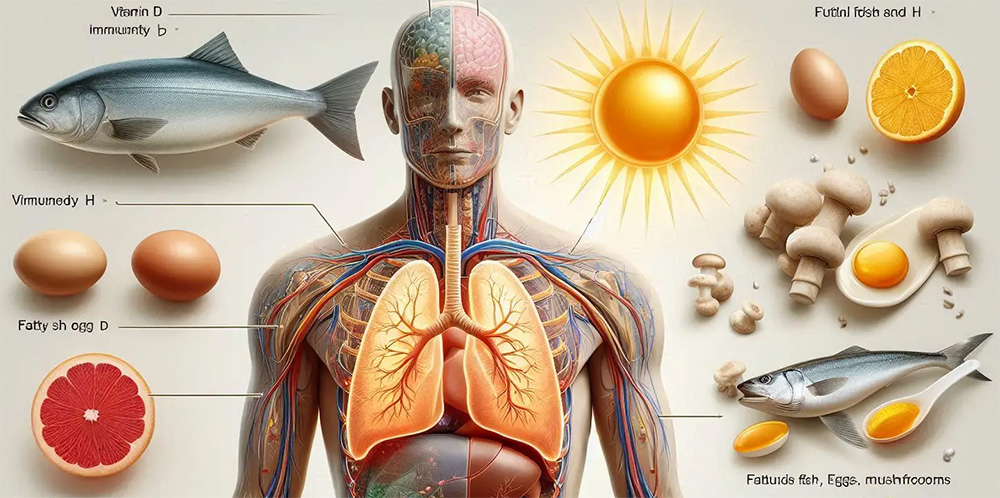
- Vitamin D–rich foods such as fatty fish, egg yolks, and UV-exposed mushrooms
- Fortified foods like milk, plant milks, cereals, and orange juice
- Supplements when needed, under medical guidance
Practical Takeaway
Current evidence suggests that vitamin D deficiency is a modifiable risk factor linked to an increased risk of severe respiratory infections. While maintaining adequate vitamin D levels cannot guarantee prevention, it may support immune health as part of a broader approach that includes balanced nutrition, physical activity, and adequate sleep.
References:
- Bournot AR et al., 2025 – Association between serum 25‑hydroxyvitamin D and respiratory tract infections requiring hospital admission. The American Journal of Clinical Nutrition.
- University of Reading / UK Research Summaries – UK Biobank study on vitamin D and respiratory infections.
- BMJ (British Medical Journal) – Review on vitamin D and respiratory outcomes; evidence on supplementation.
- NIH Office of Dietary Supplements – Vitamin D overview, deficiency risk factors, and immune function.
- PubMed / National Library of Medicine – Systematic reviews and meta-analyses on vitamin D and acute respiratory infections.