


Table of Contents
We carry a lot more than we realize in our shoulders, jaws, bellies, even our toes. Tension builds up silently throughout the day, especially when our minds are racing or our focus is elsewhere. One way to reconnect with our bodies and soften that mental noise? A body scan meditation.It’s not a new-age trend. It’s a grounded, science-supported practice that invites you to check in gently, slowly, without judgment.
What Is Body Scan Meditation?
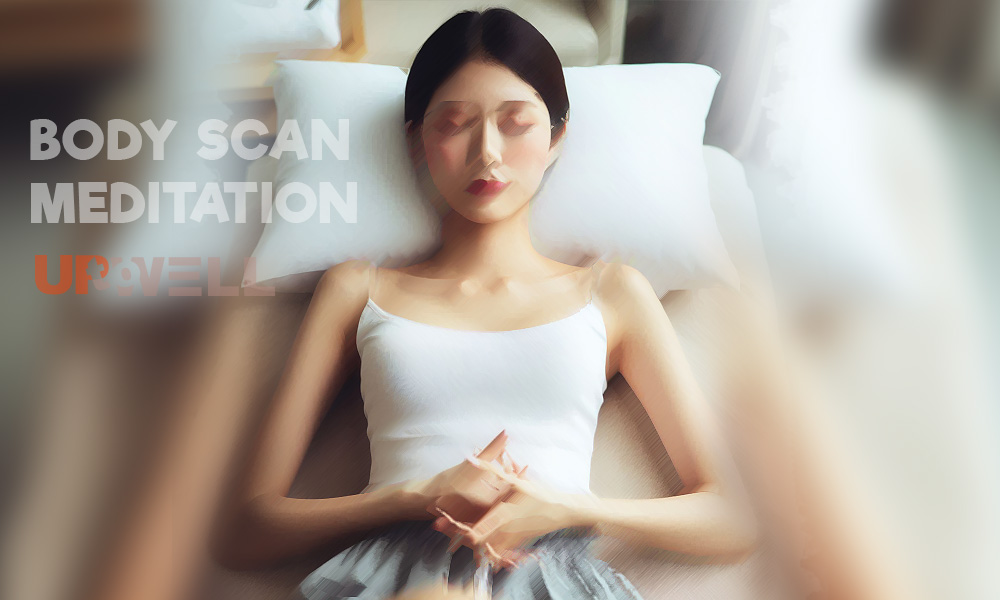
At its core, body scan meditation is about bringing awareness to the sensations in your body, one part at a time. You mentally “scan” from head to toe (or vice versa), noticing tightness, warmth, tingling, or even numbness—whatever is there.
According to the Cleveland Clinic, this practice is deeply rooted in mindfulness-based stress reduction (MBSR), a method pioneered by Jon Kabat-Zinn that’s been shown to reduce stress, anxiety, and even chronic pain.No fancy tools, no special cushions—just your breath and your body.
Why Should Try It?
There’s growing research revealing the powerful benefits of this quiet, reflective practice:
- Reduces stress and anxiety – Regular practice has been shown to lower cortisol levels and calm the nervous system (MSU Extension).
- Improves focus and self-awareness – You start noticing how your body reacts to stressors before they spiral.
- Better sleep – Many people use body scans at bedtime to unwind and fall asleep more easily.
- Physical healing – By tuning into pain or tension, you may even start noticing patterns that need your attention.
So, How Do You Do It?
You don’t need a perfect setting or tons of time. Start with 5–10 minutes, and you can always extend it.
Here’s a basic step-by-step version adapted from PositivePsychology.com:
- Find a quiet spot. Sit or lie down comfortably. Close your eyes if it feels right.
- Start with a few deep breaths. Let your breath settle naturally.
- Bring your attention to your feet. Notice sensations: warmth, tingling, pressure. No need to change anything—just observe.
- Slowly move up. Ankles, calves, knees, thighs… all the way to your head. Pause and explore each area.
- If your mind drifts, that’s okay. Just gently return to the body part you were focusing on.
- Wrap up with a few deep breaths. Open your eyes when you’re ready.
You can follow a recorded version or simply guide yourself with your own breath and awareness.
Helpful Tips to Keep in Mind
- You don’t need to “feel something” in every area. Numbness or lack of sensation is still part of the experience.
- Don’t force relaxation. The point is to notice what’s happening—not to fix it.
- If strong emotions come up (and sometimes they do), pause and breathe. It’s okay to stop if it feels overwhelming.
- Like any skill, this gets easier and more intuitive with practice.
Body Scan vs. Other Meditations
Unlike breathwork or loving-kindness meditation, the body scan is more physical. It encourages an inward focus that grounds you in the present moment through your own sensations. If you’re often “stuck in your head,” this practice offers a way to come back to your body.
Mindfulness Meditation:
You might also like to explore mindfulness meditation. Keep reading to learn more about it and discover when it really can do to your mind and body.
Walking Meditation:
Love mindful movement? You might enjoy giving walking meditation a try. Read more about it here.
References:
- Healthline – Body Scan Meditation: Benefits and How to Do It
- Cleveland Clinic – How to Do a Body Scan Meditation
- MSU Extension – The Many Benefits of Mindful Body Scan Meditations
- PositivePsychology.com – How to Perform Body Scan Meditation