


327
Table of Contents
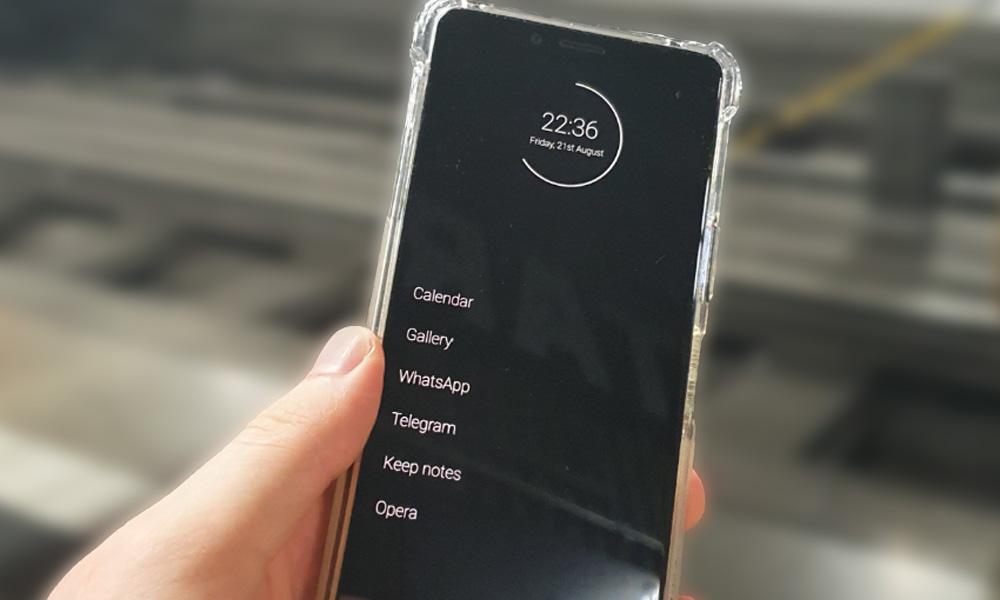
Smartphones are designed to grab and hold your attention with cluttered home screens full of colorful apps and endless notifications. Minimalist Screens is a simple concept that involves decluttering and simplifying your phone’s interface to reduce temptation and improve focus.
What Are Minimalist Screens?
Minimalist Screens means customizing your phone by:
- Removing unnecessary apps from your home screen
- Grouping social media and distracting apps into folders
- Turning off notifications for non-essential apps
- Using simple wallpapers and layouts with fewer icons
The goal is to create a clean, distraction-free phone interface that makes it easier to resist impulsive phone checking and mindless scrolling.
How Minimalist Screens Help Combat Social Media Addiction
When your phone looks simple and less stimulating, you’re less likely to get sucked into endless app-checking. Without bright icons and constant notification badges, your brain isn’t triggered to seek digital rewards, helping break addictive patterns.
Benefits of Minimalist Screens
- Creates a calmer, less cluttered digital environment
- Reduces urge to open distracting apps
- Improves focus and productivity
- Supports digital detox and mindful phone use
How to Create Minimalist Screens
- Delete or hide apps you don’t use frequently from your main screen.
- Group distracting apps like social media into one folder.
- Turn off notifications for apps that aren’t urgent.
- Use a simple, neutral wallpaper that doesn’t draw your eye.
- Limit widgets and badges that show pending alerts.
Tips for more effective outcomes:
- Review your apps regularly and remove what you don’t need.
- Try using “focus mode” or “work mode” with minimal apps visible during important tasks.
- Pair minimalist screens with other tools like app blockers or grayscale mode.