


Table of Contents
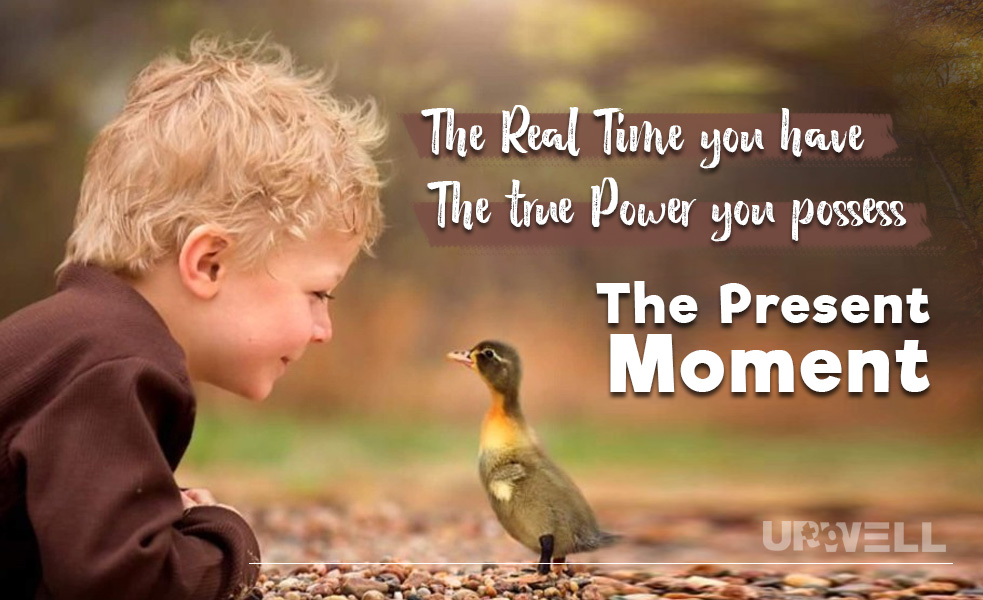
With so noise, speed, and endless distractions around us, it’s easy to miss what matters most: the present moment. We often live in fast-forward—rushing through to-do lists, replaying the past, or worrying about what’s next. But what if the peace and clarity we’re chasing are already here, hidden in the now?
That’s the simple, powerful promise of mindfulness.
What Is Mindfulness?
Mindfulness is the practice of purposeful, nonjudgmental attention to the present moment. Jon Kabat-Zinn, founder of the Mindfulness-Based Stress Reduction (MBSR) program, defines it as:
“Awareness that arises from paying attention on purpose, in the present moment, and nonjudgmentally.”
It’s not about achieving perfection or emptying your mind. It’s about learning to be present with yourself, as you are.
▶ Mindfulness Meditation: What It Is, How It Works, and How to Get Started
Why the Present Moment Matters:
Our minds often wander into the past or future. But research shows that training the mind to come back to the now has measurable mental and physical benefits.
a. Reduces Stress and Anxiety
A study published by the American Psychological Association found that mindfulness reduces stress by helping people become more aware of their thoughts and less reactive (APA, 2023).
b. Improves Emotional Regulation
Brain imaging studies show that mindfulness reduces activity in the amygdala (the brain’s fear center), helping us respond to emotions more calmly (Harvard Health, 2020).
c. Supports Brain Health
Research from Massachusetts General Hospital found that eight weeks of mindfulness practice can increase gray matter density in areas linked to memory, empathy, and self-awareness (Harvard Gazette, 2011).
d. Boosts Overall Wellbeing
Mindfulness has been associated with better sleep, improved focus, lower blood pressure, and reduced symptoms of depression and chronic pain (The Guardian, 2024).
Simple Mindfulness Practices:
You don’t need hours of meditation to practice mindfulness. Here are ways to bring more presence into your day:
- Breathe and Notice: Pause and focus on your breath for 30 seconds.
- Single-Task: Do one thing at a time—eat, walk, or listen with full attention.
- Observe Without Judgment: Notice thoughts or emotions without trying to fix them.
- Use Mindful Triggers: Let everyday events (a phone ring, a red light) remind you to pause.
▶ Keep reading to explore mindfulness triggers; simple reminders to return to the present
Mindfulness Isn’t About Perfection:
Even seasoned practitioners have busy minds. The key is to gently return to the present, again and again. That act—returning without self-judgment—is the practice.
Kabat-Zinn reminds us: “You can’t stop the waves, but you can learn to surf.”
Sources & Further Reading
- American Psychological Association. Mindfulness meditation: A research-supported approach to reduce stress. APA.org, 2023.
- Harvard Health Publishing. Mindfulness meditation may ease anxiety, mental stress. Harvard.edu, 2020.
- Harvard Gazette. Eight weeks to a better brain. Harvard University, 2011.
- The Guardian. Can mindfulness really make you happy, lower your blood pressure and improve your sleep?. The Guardian, 2024.
- Jon Kabat-Zinn. Wherever You Go, There You Are: Mindfulness Meditation in Everyday Life. Hyperion, 1994