


Table of Contents
What studies (and experts) say about cold plunges, inflammation, and muscle repair
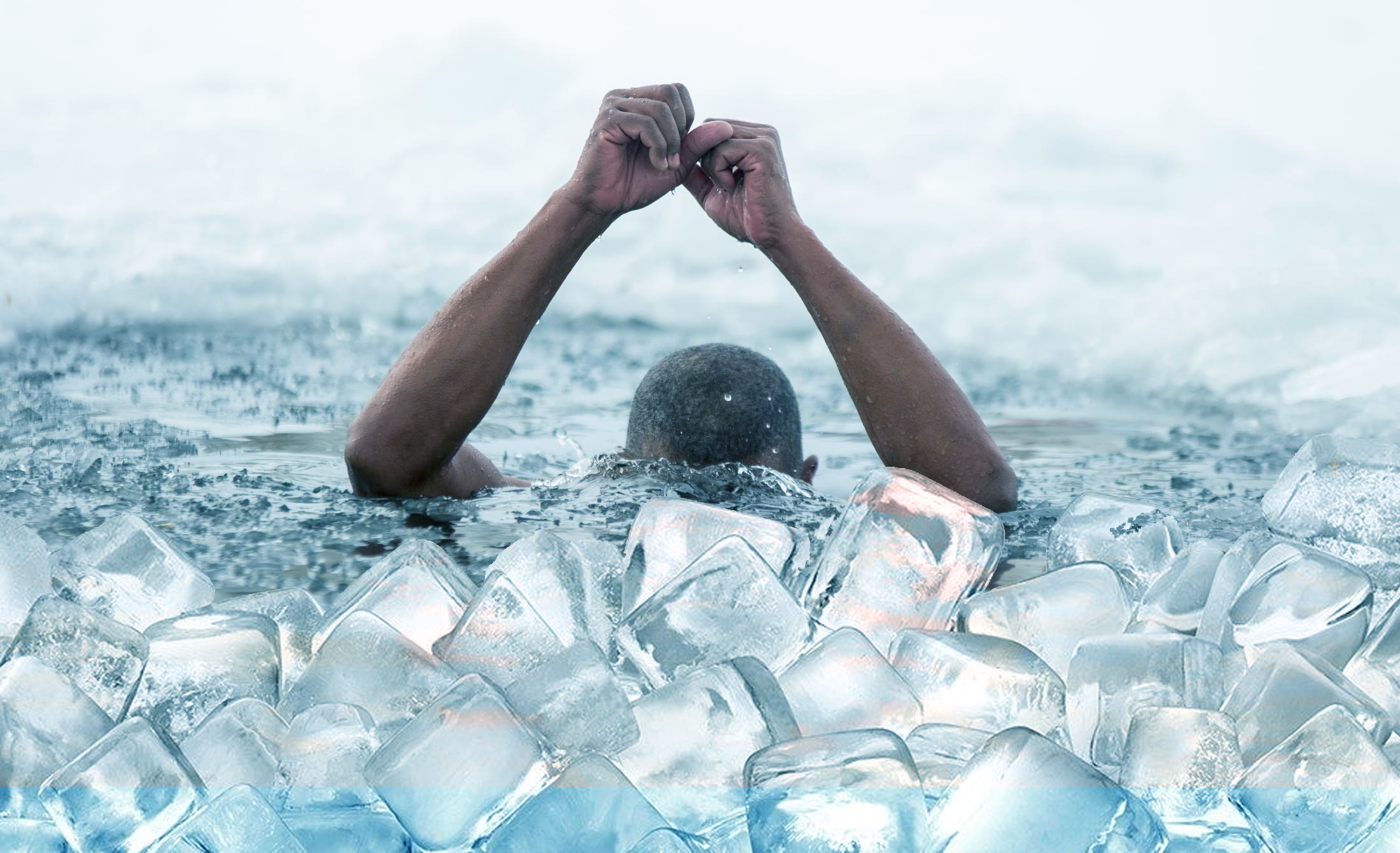
From elite athletes to wellness influencers, ice baths have surged in popularity as a post-workout recovery tool. They claim to offer everything from reduced soreness to faster muscle repair. But do ice baths really help , or are we just plunging into another trend without solid science?
Let’s shed light on what the research says starting with insights from the book Good to Go by science journalist Christie Aschwanden, in addition to current expert-based studies.
What “Good to Go” Reveals

Christie Aschwanden’s Good to Go: What the Athlete in All of Us Can Learn from the Strange Science of Recovery investigates the recovery industry from supplements to sleep to cryotherapy.
She explores ice baths and cold water immersion (CWI), pointing out that while many athletes swear by them, the science still remains inconclusive
“The benefits people feel from ice baths may be real, but they often reflect a placebo effect rather than a direct physiological one,” explains Christie Aschwanden. She highlights that while athletes swear by these recovery methods, science shows some effects might be driven by psychological belief more than biological mechanisms.
Scientifically Speaking: What Happens When You Take an Ice Bath?
How Ice Baths Might Work:
- Vasoconstriction: Cold causes blood vessels to tighten, reducing blood flow and swelling.
- Reduced nerve activity: Less sensation = less perceived pain.
- Inflammation suppression: Ice can blunt inflammation, but inflammation is part of the body’s healing process.
Pros and Cons (based on research):
| ✅ Pros | ❌ Cons |
| Reduces short-term soreness (DOMS) | May impair muscle growth if used after strength training |
| May help after very intense competition | Can blunt inflammation necessary for adaptation |
| Temporary analgesic effect | Some studies show no significant benefit |
Note: A 2020 meta-analysis found that cold immersion can slightly reduce muscle soreness, but doesn’t clearly improve performance or speed recovery long-term (PubMed, PMC7674333).
Inflammation Isn’t Always the Enemy
While cold can reduce acute inflammation, suppressing it too much may be counterproductive. According to multiple studies, inflammation helps signal the body to repair and grow stronger tissues especially after resistance training.
This idea is highlighted in Good to Go, which warns:
“By numbing the body’s natural processes, we may be robbing ourselves of the adaptations that make us fitter and stronger.”
What Experts say about Ice Baths and Recovery :
- Harvard Health notes that ice baths are most effective for extreme exertion not general workouts.
- Frontiers in Sports & Active Living highlights that cold therapy may reduce muscle hypertrophy by interrupting protein synthesis signaling.
- NIH and PMC studies emphasize the need to balance recovery tools with long-term goals like strength and adaptation.
When Should You Use Ice Baths?
| Situation | Use? | Why |
| After an ultra-marathon or multiple-game day | ✅ Yes | Helps with short-term inflammation and soreness |
| After regular gym training or weightlifting | ⚠️ Caution | May hinder muscle growth and adaptation |
| For pain relief or relaxation | ✅ Sure | Effective short-term relief; mind-body benefits |
In a nutshell
So—do ice baths actually help you recover?
✔️ Yes, if you need short-term relief, reduced swelling, or quick turnaround.
❌ Not always, if your goal is long-term strength or muscle gain.
The best recovery plan is one that aligns with your training goals—and one that doesn’t rely too heavily on trendy hacks. Like Good to Go reminds us: “Recovery is complex, and there are no magic bullets.”
Sources & References
- Aschwanden, C. (2019). Good to Go: What the Athlete in All of Us Can Learn from the Strange Science of Recovery. W. W. Norton & Company.
- Hohenauer, E., et al. (2020). Cold Water Immersion and Delayed-Onset Muscle Soreness: A Meta-Analysis. International Journal of Environmental Research and Public Health, 17(22), 8011. https://www.ncbi.nlm.nih.gov/pmc/articles/PMC7674333/
- Harvard Health Publishing. (2023). Cold water dips: Healthy or risky? Harvard Health Blog. https://www.health.harvard.edu/heart-health/cold-water-dips-healthy-or-risky
- Petersen, A.C. & Fyfe, J.J. (2021). Post‑exercise Cold Water Immersion Effects on Physiological Adaptations to Resistance Training and the Underlying Mechanisms in Skeletal Muscle
Frontiers in Sports and Active Living, 3, 660291.
🔗 https://www.frontiersin.org/articles/10.3389/fspor.2021.660291/full - Ihsan, M., Abbiss, C.R., & Allan, R. (2021). Adaptations to Post‑exercise Cold Water Immersion: Friend, Foe, or Futile?
Frontiers in Sports and Active Living, 3, 714148.
🔗 https://www.frontiersin.org/articles/10.3389/fspor.2021.714148/full - International Journal of Sports Physiology and Performance (2020).
Cold-Water Immersion and Delayed-Onset Muscle Soreness: A Meta-Analysis.
Available on PubMed Central (PMC7674333)