


Table of Contents
Sexual desire is one of the most complex and deeply personal aspects of human experience—and yet, at its core, it is a biological process driven by intricate neural circuits. Recent research from neuroscience, psychiatry, and animal studies has begun to uncover how the brain integrates hormonal signals and social cues to either activate or inhibit sexual motivation. These findings not only deepen our understanding of desire but also provide critical insights into sexual dysfunction and mental health.
The Neuroscience of Desire: Beyond Hormones
For decades, scientists believed that sexual motivation was primarily controlled by sex hormones—testosterone, estrogen, and progesterone—which acted on specific brain areas such as the hypothalamus. These hormones created “windows of desire,” making the brain more responsive to sexual cues from the environment.
While hormonal regulation remains important, modern neuroscience now shows that sexual desire is far more dynamic, shaped by real-time processing in the brain’s decision-making and emotional centers, particularly the prefrontal cortex, hypothalamus, amygdala, and reward-related regions like the nucleus accumbens.
A Dual-System Model: Excitation vs. Inhibition
According to a landmark article published in The Journal of Clinical Psychiatry, sexual desire arises from the interaction between two major systems in the brain:
- Excitatory pathways, driven by neurotransmitters like dopamine, oxytocin, and melanocortins, enhance desire and approach behaviors.
- Inhibitory systems, regulated by serotonin, opioids, and endocannabinoids, act as a “brake,” reducing sexual motivation.
In people with Hypoactive Sexual Desire Disorder (HSDD), this balance is often disrupted. Overactive inhibition or underactive excitation may lead to low or absent desire—even when hormonal levels are normal and relationship conditions are supportive.
New Discoveries: The Brain’s Desire Circuit in Action
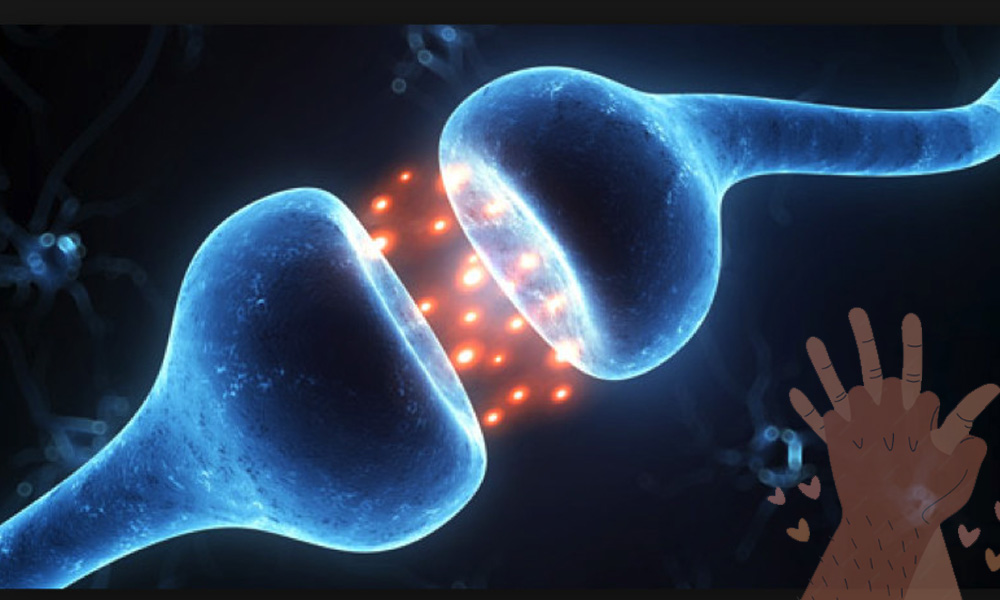
A recent study published in Cell and highlighted by News-Medical.net identified a population of oxytocin-receptor-expressing neurons in the prefrontal cortex of mice that function as a kind of “control hub” for mating behavior. These neurons integrate two types of information:
- Internal hormonal state (e.g., fertility, estrogen levels)
- External social cues (e.g., scent, presence of a potential mate)
What’s particularly fascinating is that the same circuit activates desire in female mice when they are not fertile and inhibits mating in fertile females—and produces the opposite effect in males, suppressing sexual behavior altogether. This sex-specific wiring highlights how desire is not only context-dependent but also biologically differentiated.
Human Relevance: What Do These Findings Mean for Us?
Although these findings are based on mouse models, the core architecture of sexual motivation is conserved across species. As explained in a review from The National Center for Biotechnology Information (NCBI), brain regions like the hypothalamus and prefrontal cortex perform similar integrative roles in humans.
This means:
- Sexual desire can be switched off even in favorable conditions, due to brain-level processing.
- Factors like stress, illness, aging, and social context can subtly alter how the brain interprets desire signals.
- Treatments for low desire must consider not just hormones, but also the neural circuits that shape motivation and inhibition.
👉 Learn more about how sex drive changes with age in our detailed article here
Implications for Treatment: Targeting the Brain
Understanding these circuits has led to new therapeutic strategies. For instance:
- Flibanserin (Addyi), approved for HSDD in women, enhances excitatory dopamine while reducing inhibitory serotonin in the prefrontal cortex.
- Bremelanotide (Vyleesi), another treatment, targets melanocortin receptors in the hypothalamus to restore sexual interest.
Future interventions may go beyond pharmacology to include behavioral or neurofeedback-based therapies, focused on rebalancing the brain’s motivational systems.
Conclusion: Desire Is Dynamic And Deeply Brain-Based
Sexual desire isn’t just a matter of hormones or attraction. It’s a neural experience, shaped by context, mood, internal states, and social connection. Thanks to advanced neuroimaging, optogenetics, and animal research, we now understand that the brain continuously weighs whether or not to turn desire “on.”
This growing body of knowledge doesn’t just satisfy scientific curiosity. It holds the potential to transform how we approach sexual wellness, mental health, and intimacy in a rapidly changing world.
FAQs : Frequently Asked Questions About the Brain and Sexual Desire
1-Can stress shut down sexual desire in the brain?
Yes. Chronic stress raises cortisol levels, which directly interfere with the brain’s reward and motivation circuits. High cortisol suppresses dopamine and disrupts communication between the prefrontal cortex and hypothalamus, two key areas involved in sexual desire. When the brain is in “survival mode,” it prioritizes safety over pleasure, making sexual motivation naturally decline.
2-Does anxiety or depression change how the brain processes desire?
Absolutely. Anxiety and depression alter the balance of neurotransmitters such as dopamine, serotonin, and norepinephrine, which are essential for motivation and emotional regulation. These changes affect how the brain interprets sexual cues, often reducing interest and pleasure. Over time, the brain may become less responsive to stimuli that once triggered desire, even in healthy relationships.
3-Why does desire disappear even when everything seems “fine”?
Sexual desire is not only influenced by relationships or hormones. It is shaped by how the brain processes emotional, social, and internal signals. Subtle factors such as mental fatigue, stress, unresolved emotions, or changes in brain chemistry can quietly inhibit desire. Even when life appears stable, the brain may still be sending “inhibition” signals that suppress motivation.
4-Is low sexual desire a brain disorder?
In many cases, yes. Research shows that conditions like Hypoactive Sexual Desire Disorder (HSDD) are linked to imbalances in brain circuits that regulate motivation and inhibition. Overactive inhibitory pathways or underactive reward systems can suppress sexual interest, even when hormone levels are normal. This is why modern treatments increasingly target the brain, not just hormones.
5-Can oxytocin increase sexual attraction and bonding?
Yes. Oxytocin, often called the “bonding hormone,” plays a major role in emotional connection, trust, and sexual motivation. It interacts with the brain’s reward system to enhance feelings of closeness and attraction. Higher oxytocin activity is associated with stronger pair bonding and increased responsiveness to social and intimate cues.
6- Can brain chemistry be rebalanced to restore sexual desire?
In many people, yes. Treatments such as flibanserin and bremelanotide work by adjusting neurotransmitters like dopamine and serotonin to rebalance the brain’s desire circuits. Lifestyle changes, such as reducing stress, improving sleep, and treating anxiety or depression, can also help restore healthy brain signaling and improve sexual motivation naturally.
References :
- Circuits of Sexual Desire in Hypoactive Sexual Desire Disorder, Journal of Clinical Psychiatry.
https://www.psychiatrist.com/jcp/circuits-sexual-desire-hypoactive-sexual-desire-disorder/ - The Social Neuroscience of Human Sexuality, PMC6908863.
https://www.ncbi.nlm.nih.gov/pmc/articles/PMC6908863/ - Shared Brain Circuit Drives Opposite Mating Behaviors in Male and Female Mice, News-Medical.net.
https://www.news-medical.net/news/20250716/Shared-brain-circuit-drives-opposite-mating-behaviors-in-male-and-female-mice.aspx