


Table of Contents
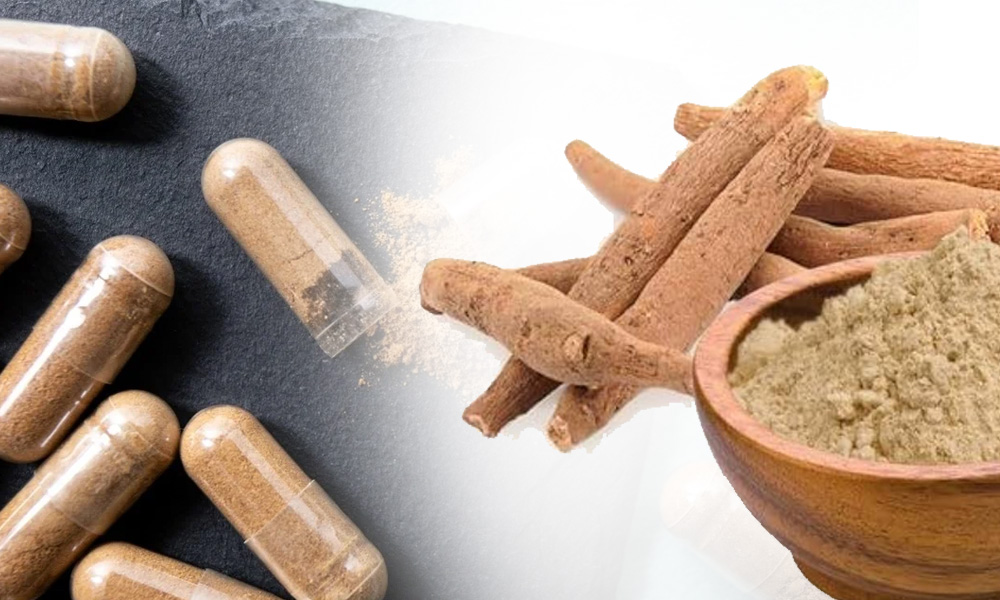
Ashwagandha, often referred to as “Indian ginseng” or “winter cherry,” is a small evergreen shrub native to India and parts of Asia. It has become popular worldwide for its reputation as an adaptogen—a substance said to help the body manage stress. But how strong is the science behind this claim? This article takes a closer look at adaptogen ashwagandha, what it really does, and what you need to know before adding it to your wellness routine.
What Is Ashwagandha and Why Is It Called an Adaptogen?
The term “adaptogen” is used to describe herbs and compounds that help the body adapt to stressors—physically, mentally, or emotionally. Adaptogen ashwagandha is rooted in ancient Ayurvedic medicine, where it has been used for centuries to restore energy, calm the mind, and promote balance.
Modern research suggests that ashwagandha may reduce cortisol, the body’s main stress hormone, and improve sleep, mental clarity, and physical endurance. But while it’s commonly referred to as an adaptogen, the clinical evidence is still emerging, and not all claims are fully supported by rigorous studies.
Proven Benefits of Adaptogen Ashwagandha:
1. Reduces Stress and Anxiety
One of the most researched uses of adaptogen ashwagandha is its calming effect. Studies have shown that taking 250–600 mg of ashwagandha extract daily can lead to measurable reductions in cortisol levels and perceived stress. Participants also reported improvements in sleep quality.
2. Improves Sleep Quality
Insomnia and restless sleep are common in people under chronic stress. Ashwagandha appears to help by calming the nervous system. Some trials suggest daily supplementation improves sleep onset, duration, and morning alertness, particularly in older adults or people with insomnia.
3. Boosts Physical Performance
Emerging evidence shows that adaptogen ashwagandha can support athletic performance by improving oxygen use and increasing muscle strength. In one study, men who took 600 mg daily over eight weeks showed significantly greater gains in muscle mass and VO₂ max than those taking a placebo.
4. Supports Cognitive Function
Some studies suggest that ashwagandha may enhance memory, reaction time, and mental clarity. It may reduce brain cell damage caused by oxidative stress thanks to its natural compounds like withaferin A.
5. May Enhance Male Fertility
Clinical data shows that ashwagandha can increase testosterone levels and improve sperm quality in men with infertility. However, more large-scale studies are needed to confirm its reliability in this area.
Limitations and Concerns
While ashwagandha shows promise, there’s limited high-quality evidence for many of its traditional uses, such as improving aging, immunity, or treating COVID-19. Also, it’s important to not confuse ashwagandha with other plants like Physalis alkekengi (also known as winter cherry) or various forms of ginseng.
Side Effects and Safety Warnings
While adaptogen ashwagandha is generally safe when taken for up to 3 months, it’s not without risks. Side effects may include:
- Nausea, diarrhea, or upset stomach
- Drowsiness or dizziness
- Rare but serious liver issues
Avoid ashwagandha if you:
- Are pregnant or breastfeeding
- Have autoimmune disorders (like lupus, RA, or MS)
- Suffer from liver or thyroid disease
- Are taking immunosuppressants, sedatives, or thyroid meds
Always consult your doctor before using herbal supplements, especially if you’re on medication or managing chronic conditions.
Dosage and How to Take It
Ashwagandha has been used in studies at doses ranging from 250 to 1,250 mg per day, often divided between morning and evening. The most common and studied form is a root extract standardized to contain active withanolides.
You can find it in:
- Capsules
- Powder (to mix with water or smoothies)
- Liquid extracts
For best results, take as directed by a healthcare provider or the supplement manufacturer.
References: