


Table of Contents
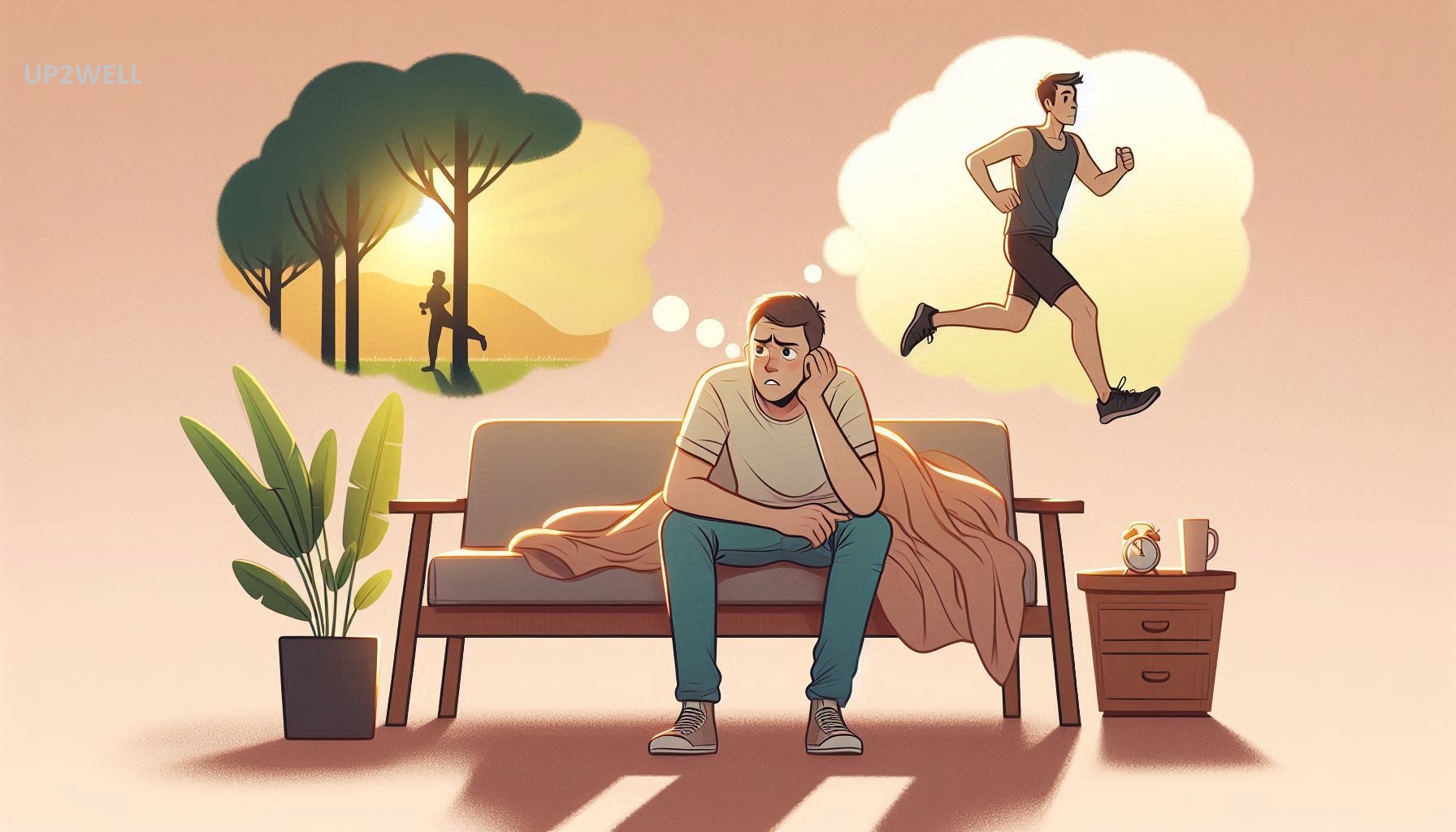
Periods of stress often reduce motivation, energy, and focus. Many people stop exercising precisely when their body needs movement the most. Yet when approached correctly, exercise under stress can become one of the most effective tools for emotional regulation and recovery rather than an additional burden.
Despite my deep passion for teaching, there are periods when professional stress affects my motivation and energy levels. Over time, I realized that this loss of motivation is often temporary and closely linked to stress rather than a true lack of drive. Simple forms of movement, especially walking and spending time in nature, have consistently helped me restore mental clarity, emotional balance, and wake up the next morning with renewed energy and focus.
Health experts emphasize that regular physical activity helps lower stress hormones, improve sleep quality, and strengthen resilience to daily challenges. This guide explains how to exercise effectively when stress levels are high without increasing fatigue or burnout.
What Stress Does to Your Body and Brain
Stress activates the body’s survival mechanism known as the fight-or-flight response. Hormones such as cortisol and adrenaline prepare the body for action.
Short-term stress can be helpful, but chronic stress may lead to:
- mental exhaustion
- muscle tension
- poor recovery
- sleep disruption
- reduced motivation
According to the Centers for Disease Control and Prevention, prolonged unmanaged stress can negatively affect both physical and mental health.
Because the nervous system is already activated, intense workouts may feel unusually difficult during stressful periods.
Why Exercise Is One of the Most Effective Natural Stress Relievers
Exercise supports recovery through powerful biological mechanisms.
Research summarized by Harvard Health Publishing shows that physical activity:
- stimulates endorphins that improve mood
- lowers baseline cortisol levels
- enhances brain circulation and focus
- improves sleep quality
- builds long-term emotional resilience
Even short sessions of movement can shift the body from stress activation toward recovery.
Choosing the Right Type of Exercise During Stress
During stressful periods, the goal changes from performance to regulation.
Best Exercises When Stress Is High
- Walking outdoors
- Gentle yoga or stretching
- Mobility exercises
- Light cycling
- Swimming
These activities help activate the calming parasympathetic nervous system.
Moderate Training When Energy Is Stable
- Strength training with moderate weights
- Steady-pace cardio
- Bodyweight workouts
Exercises to Limit Temporarily
- Frequent high-intensity interval training
- Exhaustive endurance sessions
- Training to failure
Global recommendations from the World Health Organization support moderate physical activity as a key contributor to psychological well-being.
Breathing: Turning Exercise Into Stress Therapy
Combining movement with controlled breathing enhances nervous-system recovery.
Try:
- nasal inhalation
- slow, longer exhale
- breathing rhythm synchronized with movement
Research highlighted by the American Psychological Association indicates that mindful physical activity can significantly reduce perceived stress levels.
Common Exercise Mistakes During Stress
Avoid these frequent errors:
- exercising aggressively to escape stress
- ignoring sleep and recovery
- comparing performance to low-stress periods
- treating exercise as punishment
Effective exercise should calm the nervous system rather than overload it.
Recovery Habits That Multiply Stress Relief
The recovery phase determines how beneficial exercise becomes.
Helpful habits:
- slow breathing after workouts
- gentle stretching
- warm or contrast showers
- limiting phone use post-exercise
- prioritizing sleep quality
Recovery is part of effective training.
When Rest Is Better Than Exercise
Although exercise is a powerful stress-management tool, scientific evidence shows that there are times when recovery should take priority.
Experts at the Mayo Clinic explain that psychological stress and physical training place demands on the same biological systems. When total stress becomes excessive, additional exercise may delay recovery rather than improve well-being.
Signs Your Body Needs Recovery
- persistent fatigue
- poor sleep
- declining performance
- elevated resting heart rate
- emotional exhaustion
- unusual loss of motivation
Guidance from the American College of Sports Medicine identifies insufficient recovery as a precursor to overtraining.
Situations Where Rest Is Recommended
- chronic stress overload
- emotional burnout
- illness or fever
- severe sleep deprivation
- injury or persistent pain
Public health recommendations from the Centers for Disease Control and Prevention support rest during systemic illness, while global guidance from the World Health Organization emphasizes balancing activity with adequate recovery.
Active Recovery Options
Rest does not always mean inactivity. Helpful recovery practices include:
- slow walking
- light mobility work
- breathing exercises
- relaxation practices
- quiet time outdoors
Progress comes from the cycle of stress and recovery — not constant effort.
When You Should Reduce Exercise or Rest Completely
Reduce training intensity if you experience:
- persistent exhaustion
- worsening sleep despite fatigue
- irritability or mood decline
- frequent illness
- prolonged soreness
Strategic rest protects long-term health and prevents burnout.
In brief
During stressful periods, exercise becomes less about performance and more about supporting the nervous system.
Small, consistent movement practiced with awareness often delivers greater mental and physical benefits than intense training performed under pressure.
Medical Disclaimer
This article is intended for educational purposes only and does not replace professional medical advice. Individuals experiencing chronic stress, anxiety disorders, or medical conditions should consult a qualified healthcare professional.
Sources & References
- Mayo Clinic — Stress management and exercise
- Centers for Disease Control and Prevention — Physical activity and mental health
- World Health Organization — Physical activity guidelines
- Harvard Health Publishing — Exercise and mood research
- American Psychological Association — Exercise, stress, and brain health
- Joint Consensus on Overtraining Syndrome (Science Reference)