


Table of Contents
In our fast-paced world, stress has become an inevitable part of daily life. However, it’s crucial to understand that stress itself can’t kill you—it’s your coping strategies for stress that make all the difference. Recognizing the signs and implementing effective stress management techniques can significantly improve your overall well-being. This article explores how stress affects your physical, mental, and emotional health while providing powerful coping strategies for stress that can help you thrive in difficult situations.
Recognizing the Toll of Stress
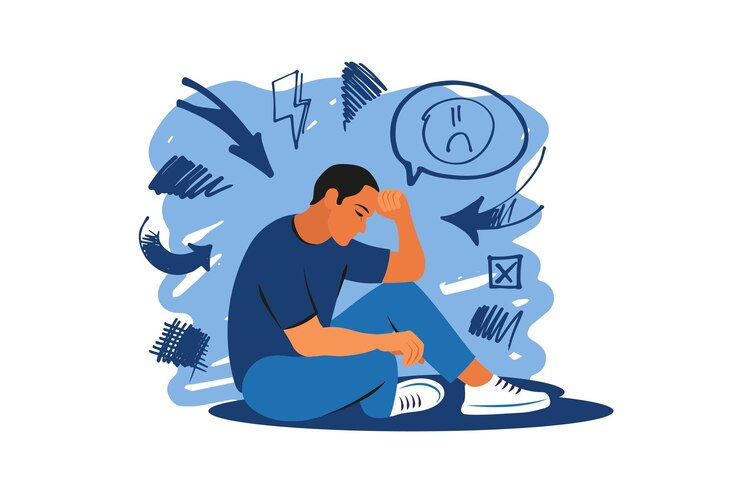
Stress can take many forms and show up in various ways throughout the body and mind. Physically, symptoms might include headaches, chest pain, digestive issues, or muscle tension. Emotionally, stress can lead to irritability, anxiety, or mood swings. People under chronic stress often struggle with poor sleep or turn to unhealthy habits like smoking or excessive drinking. These behaviors typically reflect a lack of effective coping strategies for stress and can make the situation worse.
To regain control, it’s essential to identify these signs early and respond with healthy stress-coping techniques that nurture your body and mind.
Managing Stress in the Moment
In-the-moment stress can be overwhelming, but several techniques offer immediate relief. Deep breathing, mindfulness, and grounding exercises can provide instant calm. Using tools like the Calm app or The Mindfulness App can support your routine. Even simple practices such as journaling or stepping outside for a walk serve as quick yet powerful coping strategies for stress relief.
Regular physical activity—especially walking, yoga, or light cardio—improves mood and reduces stress hormones. Maintaining a strong social network also acts as a buffer against stress, offering emotional support and connection.
Long-Term Coping Strategies for Stress
When you’re facing ongoing or uncontrollable stressors—like job pressure or caregiving responsibilities—developing long-term coping strategies for stress becomes essential. The first step is acceptance: recognize what’s beyond your control and focus on what you can influence.
Prioritize tasks, delegate when possible, and don’t overload your schedule. Even small moments of self-care—watching a favorite show, reading, or meditating—can reset your mental energy. Over time, these small acts become effective stress-reducing habits that build emotional resilience.
Planning ahead for challenging situations or developing a “Plan B” can reduce anxiety and create a sense of preparedness, which is a key part of strategic coping with stress.
Taking Charge of Your Well-Being
Stress is unavoidable—but that doesn’t mean it’s unmanageable. By becoming aware of your triggers and consistently applying both short-term and long-term coping strategies for stress, you can transform how stress affects your life. Prioritize your mental health, lean on your support system, and incorporate self-care into your daily routine.