


Table of Contents
Constipation can leave you feeling bloated, sluggish, and uncomfortable. It happens when stool moves too slowly through the colon, becoming dry and hard to pass. One effective, natural solution gaining attention nowadays is psyllium husk for constipation.
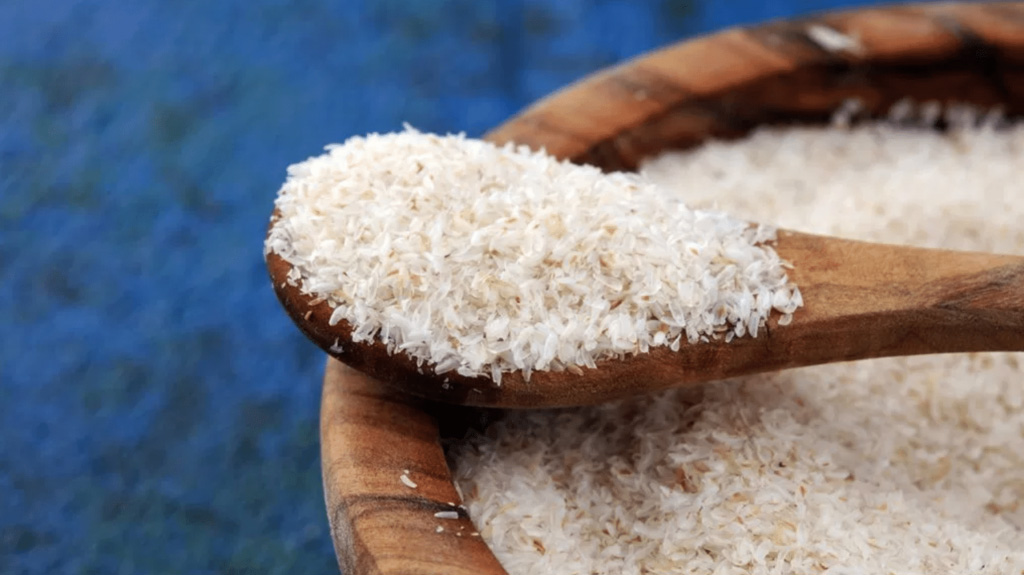
Derived from the seeds of the Plantago ovata plant, psyllium husk is a rich source of soluble fiber—a type of fiber that absorbs water and forms a gel-like consistency in the digestive tract. This helps soften stool, promote bowel movements, and ease discomfort, making psyllium husk for constipation an easy and effective remedy.
Why Psyllium Husk Works for Constipation
1. Softens Stool Naturally
Psyllium husk’s viscous fiber content helps hold water in the stool, adding bulk and softening it for easier passage. This promotes natural regularity without the harsh effects of stimulant laxatives.
2. Feeds the Good Gut Bacteria
Psyllium acts as a prebiotic, meaning it nourishes beneficial gut bacteria. A balanced gut microbiome supports smoother digestion and more consistent bowel habits—key for anyone struggling with chronic constipation.
3. Gentle and Predictable Relief
Unlike some laxatives that may trigger cramps or urgency, psyllium husk for constipation works in harmony with your body. It improves bowel movement frequency without uncomfortable side effects.
4. Helps Reduce Gut Inflammation
When stool remains in the colon too long, it can cause irritation. Psyllium’s role in maintaining microbial balance and softening stool may also reduce inflammation and support a healthy gut lining.
How to Add Psyllium Husk to Your Routine
Since psyllium husk doesn’t naturally occur in common foods, it’s best consumed as a supplement. It’s widely available in powders, capsules, wafers, and even liquid form.